
Fleet insurance for companies
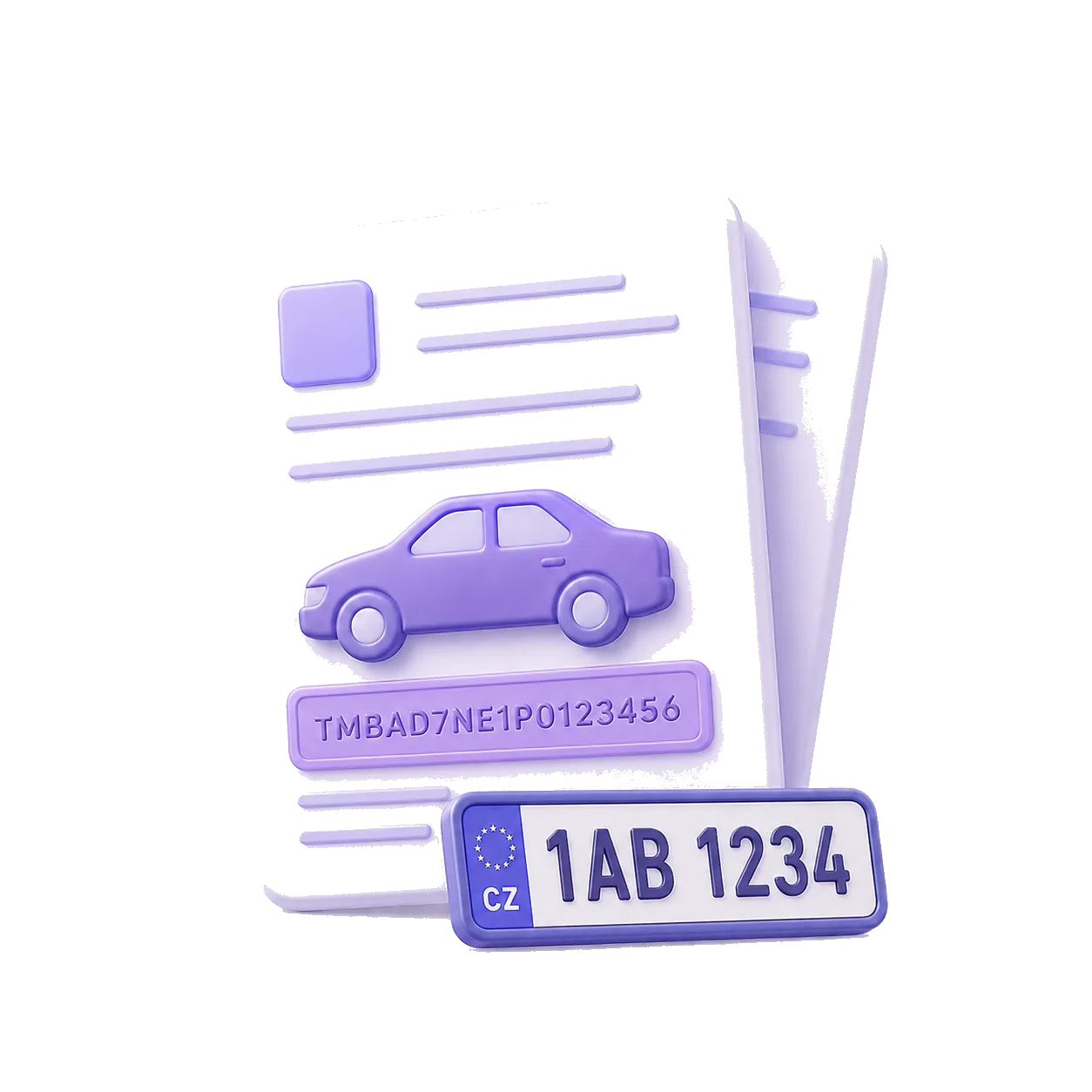 Registration certs
 Fleet billing
 Vehicle list
About fleet insurance: when it pays off, how it is priced and common questions
Fleet insurance: what you need to know
A company with several vehicles can insure each one separately or bring them together under a single fleet policy. A fleet means one renewal date, one invoice and one place to call when something happens, usually at a better price than the sum of individual policies. Below you will find how many vehicles make it worthwhile, what can go into a fleet and how the price is set.
How many vehicles make a fleet worthwhile
Insurers usually treat five or more vehicles as a fleet, though some start higher. The saving against separate policies grows with the size of the fleet.
Numbers are not the only factor. The mix of vehicles, the claims history and how they are used all count. A company with ten vans in daily use gets a different quote from one with ten company cars.
What can go into a fleet
A single policy can hold passenger cars, vans, lorries, trailers and working machines. They do not have to be the same category or the same age.
You can arrange third-party liability alone, or add comprehensive cover, and only for some of the vehicles. Older vehicles are often left with liability cover only.
How the price is calculated
A fleet is not rated by the no-claims bonus of individual vehicles the way private policies are, but by the claims record of the whole fleet. What counts is the ratio of claims paid out to premium paid over the period being assessed.
A good record lowers the price at renewal and a poor one raises it. With a fleet it is therefore worth considering whether to report minor damage or cover it from your own funds.
The excess, the territorial scope and add-ons such as windscreen cover, collision with animals or roadside assistance also affect the price.
Changing vehicles during the year
A fleet policy assumes the fleet will change. A new vehicle is added and a sold one removed, usually by simple notification rather than by signing a new contract.
The premium is then adjusted pro rata. This is the main practical advantage over a set of separate policies, where every vehicle has its own renewal date and its own notice period.
What to prepare for a quote
The quickest route is a list of vehicles with VINs or registration numbers. Registration documents or the latest statement from your current insurer work too, because the details can be read from them automatically.
Besides the vehicles it helps to know the claims record for the recent period. A quote can be prepared without it, but it will be indicative and refined before signing.
Frequently asked questions about fleet insurance
How many cars do I need for a fleet policy?
Most insurers treat five or more vehicles as a fleet, though some start higher. The saving against separate policies grows with the size of the fleet.
Can a fleet contain different types of vehicle?
Yes. One policy can hold passenger cars, vans, lorries, trailers and working machines. They do not have to be the same category or age.
Does every vehicle need comprehensive cover?
No. Third-party liability can cover the whole fleet while comprehensive cover applies only to some vehicles. Older vehicles are often left with liability cover only.
How is the no-claims record calculated for a fleet?
Not per vehicle, but across the whole fleet, as the ratio of claims paid out to premium paid. That ratio then affects the price at renewal.
What if I buy or sell a car during the year?
The vehicle is added to or removed from the fleet and the premium is adjusted pro rata. You do not need a new contract, which is the main advantage over separate policies.
What should I prepare for a quote?
A list of vehicles with VINs or registration numbers, or registration documents or the latest statement from your current insurer. The claims record for the recent period is useful too.